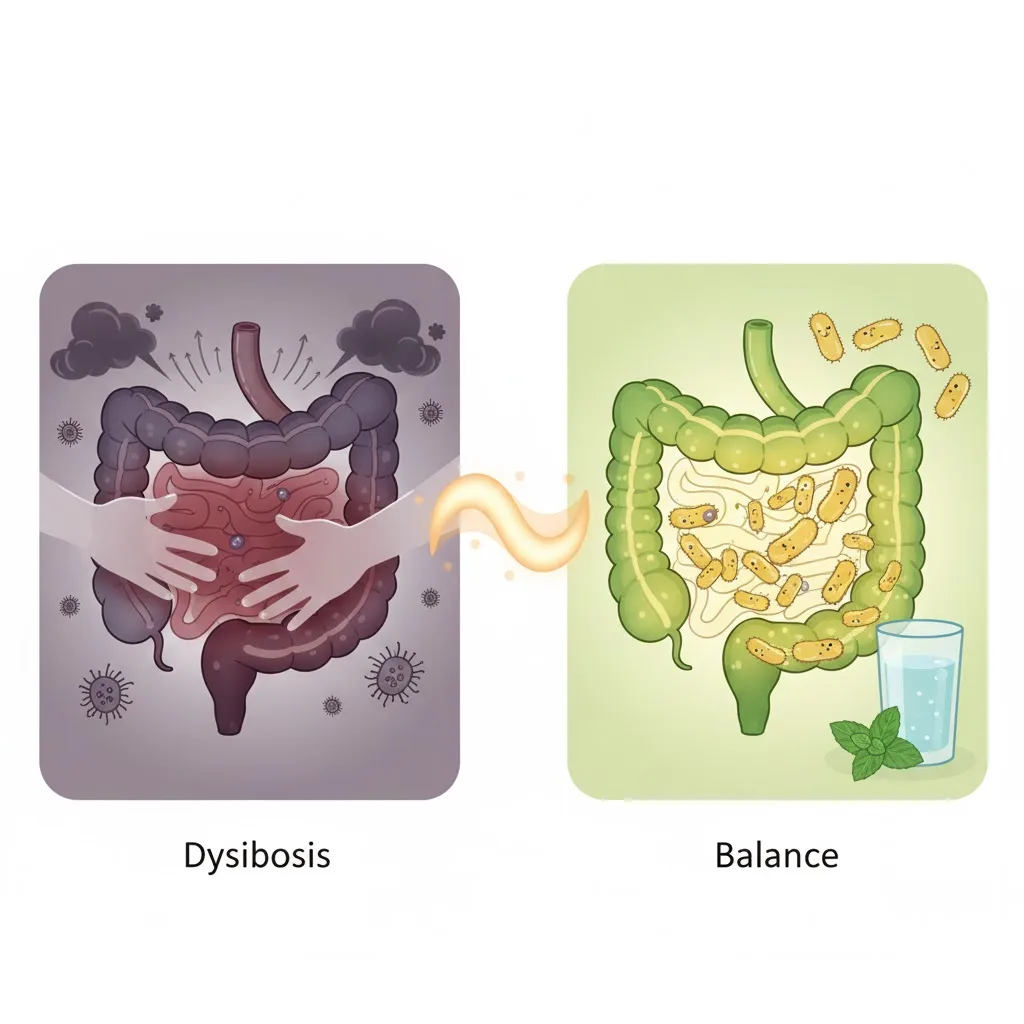
The Distended Truth About Bloating
Bloating—that feeling of abdominal fullness, tightness, or visible distension—is perhaps one of the most common digestive complaints globally. It’s so prevalent that many people consider it a normal, inevitable part of digestion. But while occasional, mild gas production after a large, high-fiber meal is routine, chronic, painful, or severe bloating that makes you look visibly pregnant is not normal. It is a signal—a flashing warning light from your digestive system that something is fundamentally unbalanced.
Often, that imbalance points directly to Gut Dysbiosis—an unhealthy imbalance between the beneficial and pathogenic microorganisms residing in your digestive tract. When the harmony of your gut biome is disrupted, gas production goes into overdrive, digestion slows down, and systemic health consequences, extending far beyond the abdomen, begin to emerge.
This comprehensive 5000+ word guide will serve as your definitive resource for understanding the root causes of chronic bloating. We will delve into the physiology of gas production, detail the systemic signs that your bloating is due to dysbiosis, and provide a clear, four-step, natural strategy—encompassing diet, digestion, supplementation, and lifestyle—to restore balance, soothe your symptoms, and reclaim your comfort.
Let's deflate the discomfort and restore your gut health! 🌿
1. 🤯 The Physiology of Bloating: When Digestion Goes Wrong
To successfully treat chronic bloating, you must first understand the primary mechanisms that cause that uncomfortable distension. Bloating is essentially the feeling of increased gas or fluid retention in the abdomen.
1.1. Gas Production Overload (The Fermentation Frenzy)
The most common cause of bloating is the excessive production of gas (hydrogen, methane, and carbon dioxide) during the fermentation process.
- Where It Should Happen: Most fermentation is supposed to happen in the Large Intestine (colon), where the beneficial bacteria thrive on undigested fibers.
- Where It Goes Wrong (Dysbiosis): In cases of dysbiosis, particularly Small Intestinal Bacterial Overgrowth (SIBO) or an overgrowth of gas-producing pathogens (like methane-producing archaea), fermentation occurs too high up in the Small Intestine. The small intestine is not designed to handle large volumes of gas, leading to rapid, painful distension soon after eating.
- Motility Issues: Dysbiotic conditions or low Vagus nerve tone can slow down motility (the movement of food through the digestive tract). Slower movement gives bacteria more time to ferment, leading to gas buildup.
1.2. The Role of Fluid Retention and Inflammation
Chronic bloating is not always just gas; it can be compounded by water retention caused by inflammation.
- Leaky Gut and Inflammation: Dysbiosis often leads to a compromised intestinal barrier ("Leaky Gut"). This allows undigested food particles and bacterial byproducts (like LPS) to leak into the bloodstream, triggering a systemic immune response.
- Fluid Accumulation: The body's inflammatory response can cause localized fluid retention and swelling in the abdominal cavity, exacerbating the feeling of tightness and distension.
1.3. Malabsorption
If dysbiosis or low stomach acid impairs the breakdown of food (especially fats and proteins), these undigested particles move to the colon, where they become excessive fuel for gas-producing bacteria, worsening the cycle of bloating.
2. 🦠 Gut Dysbiosis: The Root Cause of Chronic Inflammation
Gut Dysbiosis is not a disease but a state of ecological imbalance within the gut microbiome. It is the primary engine driving chronic digestive issues, including bloating, pain, and irregular bowel movements.
2.1. Defining the Imbalance (The Ratio Problem)
Dysbiosis occurs when there is:
- Low Diversity: A restricted variety of beneficial bacterial species. Diversity is key to a resilient gut.
- Overgrowth of Pathogens: An excessive colonization by harmful, opportunistic, or gas-producing bacteria and fungi (like Candida).
- Loss of Core Species: A depletion of key beneficial species (like Bifidobacterium and Akkermansia) that produce vital Short-Chain Fatty Acids (SCFAs).
2.2. The Consequences of SCFA Depletion
The loss of SCFA producers, particularly the Butyrate producers, is devastating for the gut lining.
- Weakened Barrier: Reduced Butyrate leads to an undernourished gut lining, weakening the intestinal barrier (Leaky Gut) and increasing systemic inflammation.
- Bloating Cycle: The resulting inflammation further impairs motility and digestion, creating the perfect environment for gas-producing bacteria to flourish, cementing the chronic bloating cycle.
2.3. Triggers of Dysbiosis
While diet is primary, dysbiosis is triggered by multiple modern factors:
- Chronic stress (elevated Cortisol).
- Frequent antibiotic use.
- High sugar and processed food diets.
- Lack of sleep.
- Exposure to environmental toxins.
3. 🚦 5 Key Signs That Your Bloating is Dysbiosis-Driven
Bloating is often the first symptom, but dysbiosis frequently signals its presence through systemic issues that appear unrelated to the gut. If your bloating is accompanied by these signs, seeking intervention is crucial.
3.1. Sign 1: Persistent Fatigue and Brain Fog 🧠
When dysbiosis causes inflammation, this inflammation can travel to the brain (via the Gut-Brain Axis), leading to neuroinflammation.
- Energy Theft: A compromised gut is inefficient at absorbing nutrients, leading to deficiencies (e.g., B vitamins, Iron). The constant systemic immune response also drains the body's energy reserves.
- Solution Focus: This requires attention to the GBA and reducing systemic inflammation, often achieved through our Healthy Lifestyle approach.
3.2. Sign 2: Skin Issues (Acne, Eczema, Rashes) ✨
The gut and skin are intimately connected (the Gut-Skin Axis).
- Leaky Gut Link: When inflammatory molecules leak from the gut, the body tries to excrete them through other major organs, including the skin.
- Symptom: Unexplained rashes, chronic eczema, or inflammatory acne that doesn't respond to topical treatments are often downstream results of gut dysbiosis.
3.3. Sign 3: Mood and Anxiety Changes 😞
- Neurotransmitter Imbalance: The gut produces over 90% of the body's serotonin. Dysbiosis impairs the optimal production of mood-regulating neurotransmitters (Serotonin and GABA), contributing to heightened anxiety, irritability, and depressive symptoms.
3.4. Sign 4: Multiple Food Sensitivities 🍎
- Compromised Barrier: As the gut lining breaks down (Leaky Gut), large, undigested food proteins pass into the bloodstream, where the immune system flags them as foreign invaders.
- Symptom: You suddenly become sensitive to foods you previously tolerated (e.g., dairy, eggs, or nuts), leading to bloating, headaches, or general malaise after eating.
3.5. Sign 5: Joint Pain and Autoimmunity 🦴
- Systemic Inflammation: Chronic dysbiosis maintains a state of low-grade systemic inflammation throughout the body.
- Symptom: This inflammation can target various tissues, including the joints, leading to unexplained aches, pains, or even contributing to the onset or flare-up of autoimmune conditions.
4. 🌿 Natural Strategy 1: The Elimination Phase (Identifying Triggers)
The first step in restoring balance is removing the fuel source for the problematic bacteria and the irritants for your gut lining.
4.1. Identifying Common Irritants (The "Big Four")
- Gluten: Can be inflammatory for many people, not just those with Celiac disease. It can directly impact the tight junctions of the gut.
- Dairy (Lactose/Casein): Lactose is a common trigger for gas/bloating, and Casein can be inflammatory.
- Refined Sugar: Feeds pathogenic bacteria and yeasts (Candida) directly.
- Excessive Caffeine/Alcohol: Irritants that stress the gut lining and can impair motility.
4.2. The FODMAP Connection (Fermentable Carbs)
If your bloating is severe and linked to foods like onions, garlic, apples, or beans, you may have an overgrowth (SIBO) that ferments these carbohydrates too quickly.
- Low-FODMAP Diet: A temporary elimination diet, often guided by a dietitian, can dramatically reduce bloating by starving the problematic bacteria of their preferred fuel. This is a critical diagnostic and relief tool.
4.3. The Importance of Hydration
Water is essential for gut motility. Dehydration slows down digestion, leading to stagnation and increased opportunity for bacterial overgrowth. Aim for 2.5–3 liters of water per day.
5. 💊 Natural Strategy 2: Digestive Support (Fixing the Top Down)
Dysbiosis often starts with poor digestion higher up in the tract—specifically, low stomach acid (Hypochlorhydria).
5.1. Stomach Acid (HCl): Your First Line of Defense 🛡️
Stomach acid (Hydrochloric Acid - HCl) performs two critical roles:
- Sterilization: It kills pathogenic bacteria, yeasts, and parasites ingested with food, preventing them from reaching the small intestine.
- Digestion: It activates pepsin for protein breakdown and signals the release of digestive enzymes and bile further down the tract.
- Low Acid Risk: Low HCl allows pathogens to survive and leads to undigested food reaching the small intestine, feeding the dysbiotic bacteria and worsening gas.
5.2. Natural Ways to Support Stomach Acid
- Apple Cider Vinegar (ACV): Take 1 tablespoon of ACV mixed with water 10-15 minutes before meals.
- Bitters: Swedish bitters or artichoke extract taken before meals can stimulate HCl and enzyme production.
5.3. Digestive Enzymes
Supplementing with broad-spectrum digestive enzymes (especially Lipase for fats and Protease for proteins) can ensure proper breakdown, reducing the fuel available for gas production in the lower tract.
6. 🥗 Natural Strategy 3: Restoring the Microbiome (Probiotics & Prebiotics)
Once the triggers are removed (Strategy 1) and digestion is optimized (Strategy 2), you must rebuild the beneficial flora.
6.1. Targeted Probiotics (The Restoration Crew)
- Diversity and Specificity: Focus on supplements and fermented foods that offer a high diversity of strains (Lactobacillus, Bifidobacterium, and Saccharomyces boulardii). S. boulardii is particularly helpful for restoring balance after antibiotic use.
- Food Sources: Incorporate small, consistent amounts of fermented foods like Kefir, Sauerkraut (raw), and Kimchi.
6.2. High-Quality Prebiotics (Fertilizer for Resilience)
Prebiotics fuel the beneficial microbes, enabling them to produce anti-inflammatory SCFAs (Butyrate).
- Sources: Legumes (start slow!), asparagus, garlic, onions, and cooled starches (Resistant Starch).
- Caution: If SIBO is suspected, prebiotics may need to be strictly limited initially, as they can temporarily worsen bloating. This is why professional guidance is vital.
Expert Guidance: Restoring the microbiome requires precision. We utilize tools like the Calorie Calculation service not just for energy but to optimize the balance of macro/micro-nutrients and fiber necessary for gut healing.
7. 💪 Natural Strategy 4: Lifestyle Reset (Motility and Tone)
The Vagus nerve is the communication link in the Gut-Brain Axis. Improving its tone and reducing chronic stress are essential for normalizing gut motility and reducing bloating.
7.1. Stress and Cortisol Control 🧘
Chronic stress elevates Cortisol, which impairs gut barrier function and slows down intestinal motility.
- Mindful Eating: Slow down, chew food thoroughly (20-30 times per bite), and never eat under stress or while multitasking. Mindful eating ensures proper signaling to the stomach and Vagus nerve, improving digestion.
- Vagal Nerve Stimulation: Deep breathing exercises, singing, gargling, and humming can stimulate the Vagus nerve, improving gut motility and reducing inflammation.
7.2. Movement and Motility 🏃♀️
Exercise, particularly walking after meals, is a powerful natural tool to encourage intestinal motility and help clear gas.
- Post-Meal Walk: Even a 10-15 minute walk after a meal can significantly aid digestion and prevent gas from becoming trapped.
7.3. Importance of Sleep
Poor sleep elevates cortisol and ghrelin (hunger hormone), disrupting digestive harmony. Prioritizing 7-9 hours of quality sleep allows the gut lining to repair and the microbiome to flourish.
8. 📊 When to Seek Professional Guidance and Testing
If chronic bloating persists despite general lifestyle changes, it is time to investigate underlying conditions with professional help.
- Irritable Bowel Syndrome (IBS): Often diagnosed when no structural cause is found, but symptoms are frequent. Dysbiosis and GBA dysfunction are key factors in IBS.
- Small Intestinal Bacterial Overgrowth (SIBO): Requires a specific diagnosis (usually a breath test). SIBO protocols require specific herbals or antibiotics followed by careful reintroduction of diet.
- Yeast/Candida Overgrowth: May require specific antifungal protocols.
A Registered Dietitian specializing in gut health can help you navigate complex diagnostic testing (like comprehensive stool analysis or SIBO breath tests) and implement the necessary elimination and restoration phases safely.
If your bloating is severe, persistent, or affecting your quality of life, don't wait. Our experts specialize in complex digestive conditions. ➡️ Disease-Specific Nutrition
9. 🎯 Conclusion: Embrace Gut Harmony
Bloating is often the body's first call for help. By recognizing that chronic bloating is a primary sign of Gut Dysbiosis, you can move beyond quick fixes and address the root causes: low digestive efficiency, microbial imbalance, and stress-impaired motility.
Through the powerful, natural strategies of elimination, digestive support, microbiome restoration, and lifestyle adjustments, you can successfully reset your gut, deflate the discomfort, and unlock systemic benefits that extend to your energy, mood, and immunity. Embrace the journey toward gut harmony—it is the foundation of total well-being.
Ready to find the root cause of your chronic bloating and implement a personalized, natural plan to restore your gut balance?
🌟 Partner with Hanzi Nutrition to Restore Your Gut Balance!
Our team specializes in personalized nutrition for complex digestive issues, ensuring you move from discomfort to harmony safely and effectively.
- Targeted Digestive & Inflammatory Support: ➡️ Disease-Specific Nutrition
- Comprehensive Gut-Focused Lifestyle Plans: ➡️ Healthy Lifestyle
- Identifying Food Triggers and Sensitivities: ➡️ Weight Loss
- Advanced Testing & Interpretation: ➡️ Calorie Calculation (Used for metabolic and comprehensive data analysis)
- Corporate Wellness Solutions: ➡️ Corporate Nutrition
- Wellness Education for Groups: ➡️ Workshops & Training
- Specialized Pregnancy Gut Health: ➡️ Pregnancy Diet
- Sports Performance & Gut Optimization: ➡️ Sports Nutrition
📅 Book Your Consultation Now:
Stop tolerating the discomfort. Start your journey to true gut balance today.