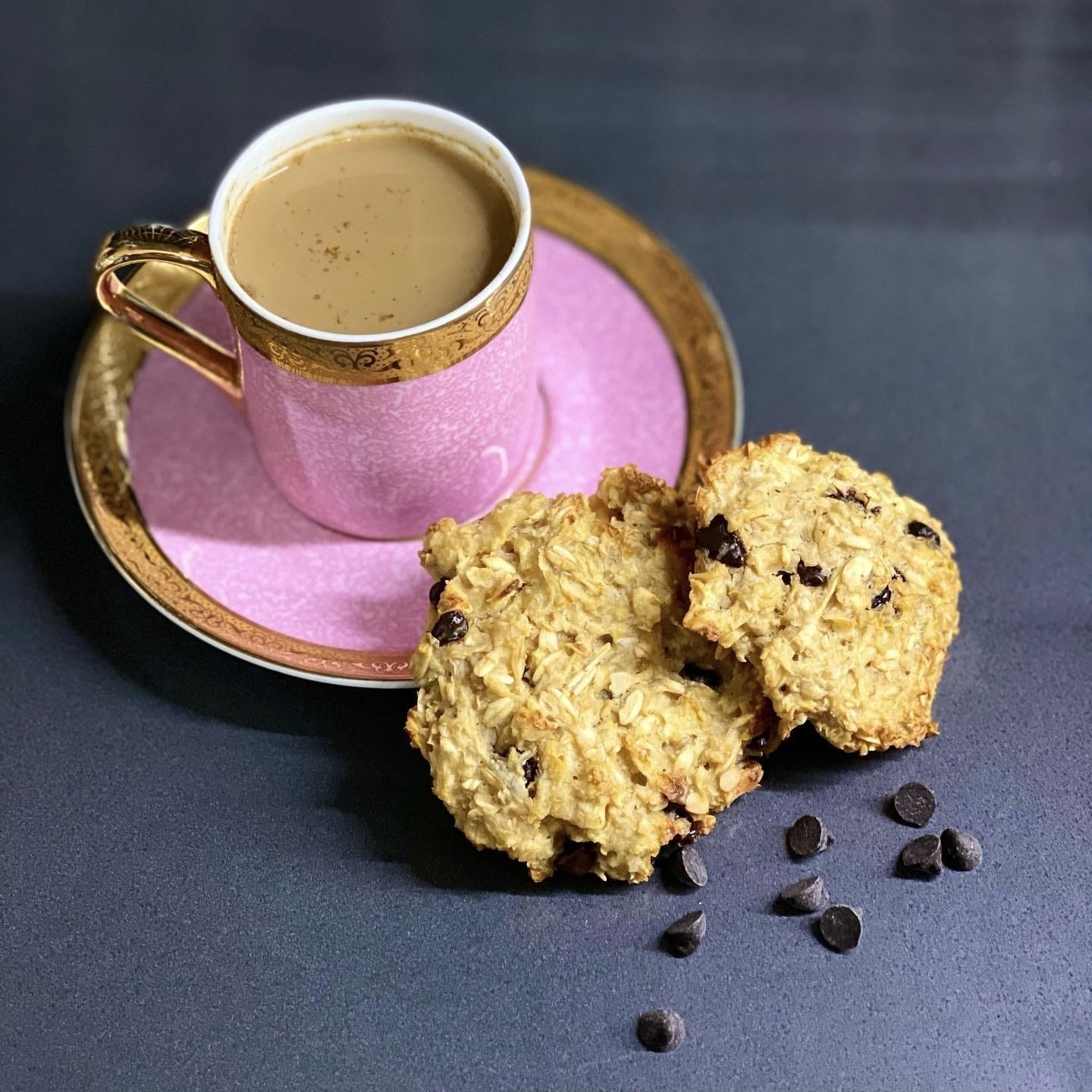
Coffee is more than just a morning ritual — it’s one of the most widely consumed beverages in the world and a fascinating part of many diets. But how does caffeine affect your metabolism, appetite, and overall nutrition? Let’s dive into the science behind coffee and its role in a healthy lifestyle.

🔬 What Is Caffeine?
Caffeine is a natural stimulant found in coffee beans, tea leaves, and cacao plants. It works by blocking adenosine, a neurotransmitter that promotes relaxation and sleepiness. As a result, caffeine keeps you alert, focused, and energized.
Average caffeine content per serving:
- Espresso (30 ml): ~65 mg
- Filter coffee (250 ml): ~95 mg
- Green tea (250 ml): ~35 mg
- Dark chocolate (40 g): ~25 mg
Moderate caffeine intake (200–400 mg per day) is generally safe for most adults.
⚖️ Coffee and Weight Management
Coffee can indirectly support weight management by:
- Boosting metabolism: Caffeine increases thermogenesis — your body’s calorie-burning rate — by up to 11%.
- Enhancing physical performance: It improves endurance and focus during workouts.
- Suppressing appetite (temporarily): Some people notice a reduced desire to eat shortly after drinking coffee.
However, adding sugar, syrups, or whipped cream can quickly turn your cup into a calorie bomb. Stick to black coffee, espresso, or plant-based milk options for a healthier choice.
💚 The Benefits of Coffee in a Balanced Diet
When consumed mindfully, coffee offers several potential health benefits:
- Rich in antioxidants: Coffee contains polyphenols that help fight inflammation and oxidative stress.
- May protect against chronic diseases: Studies link moderate coffee consumption with a lower risk of type 2 diabetes, liver disease, and certain cancers.
- Improves mental performance: A moderate caffeine intake can enhance mood, alertness, and cognitive function.
⚠️ Potential Downsides
Too much caffeine can cause:
- Restlessness and anxiety
- Insomnia
- Increased heart rate
- Digestive issues
If you are sensitive to caffeine, pregnant, or managing high blood pressure, limit intake and avoid drinking coffee after 2 PM to protect your sleep quality.
☕ Healthy Coffee Habits for Diet-Conscious Individuals
- Skip the sugar: Try cinnamon or unsweetened plant milk for flavor.
- Hydrate: Coffee has a mild diuretic effect — drink enough water throughout the day.
- Time it wisely: Enjoy coffee before workouts or in the morning to optimize energy levels.
- Mind your portion: Stick to 2–3 cups a day for most adults.
- Pair it with nutrition: Don’t replace balanced meals with coffee — it’s a complement, not a substitute.
🧠 Final Thoughts
Coffee can be part of a healthy and balanced diet when consumed in moderation. It provides antioxidants, enhances mental focus, and even supports metabolism. The key is to enjoy it smartly — without excessive sugar or overconsumption.
So next time you sip your favorite brew, know that you’re not just waking up — you’re fueling your mind and body the right way.
If you’re managing specific health conditions, sensitivity, or weight goals, you can consult with me to personalize caffeine intake within your nutrition plan.
Let's connect to take a step to healthier and happier life 🌿