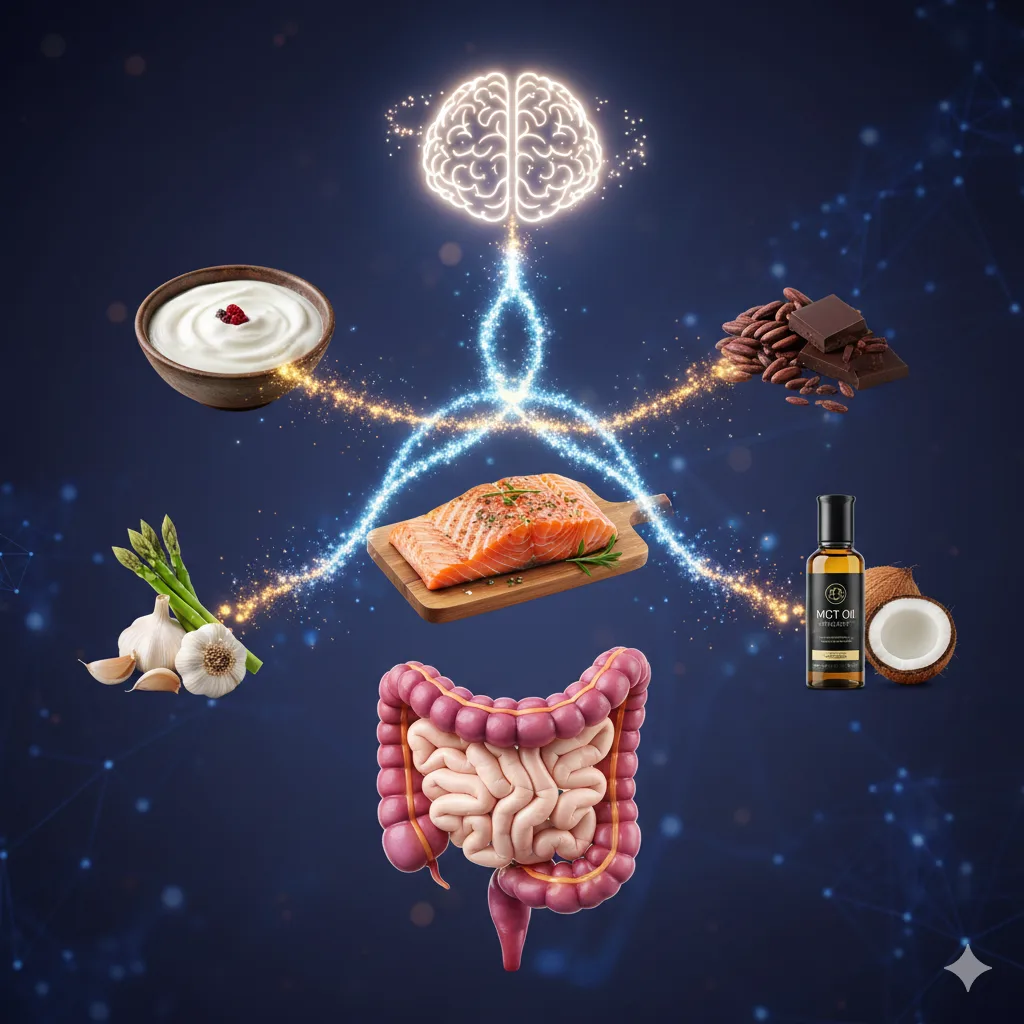
Discovering Your Second Brain
For decades, the brain was considered the undisputed command center of the body. We believed mood, memory, and mental clarity were solely products of chemistry and electrical signals within the skull. However, revolutionary scientific discoveries have unveiled a profound truth: much of our mental well-being originates not in the brain, but in our gut.
This connection is known as the Gut-Brain Axis (GBA)—a bidirectional highway linking the central nervous system (CNS) to the enteric nervous system (ENS), which is embedded in the walls of your digestive tract. This connection, mediated by the Vagus Nerve and trillions of microbial residents (the Microbiome), fundamentally influences everything from anxiety and depression to focus and energy levels.
If you struggle with persistent "brain fog," mood swings, or lack of focus, your gut health may be the missing piece of the puzzle. The incredible news is that you possess the power to "reset" this axis using specific, targeted nutrients.
In this comprehensive 5000+ word guide, we will delve deep into the mechanics of the GBA, exploring how specific foods act as powerful modulators of this axis. We will then reveal and dissect 5 essential foods that are scientifically proven to optimize your microbiome, reduce inflammation, and, consequently, dramatically boost your mood and mental clarity.
Get ready to transform your mind by nourishing your gut! 🚀
1. 🔬 Understanding the Gut-Brain Axis: The Ultimate Connection
The GBA is far more than just a connection; it's a sophisticated communication network that governs our emotional and cognitive state. Resetting the GBA means restoring this vital line of communication.
1.1. The Vagus Nerve: The Superhighway of Communication
The Vagus Nerve is the primary physical connection between the brain and the gut. It is the longest cranial nerve, running from the brainstem down to the abdomen.
- Bidirectional Signaling: The Vagus Nerve acts like a two-way radio. While the brain uses it to send signals to the gut (e.g., initiating digestion), the vast majority of signals (about 80-90%) travel from the gut up to the brain.
- Stress and Relaxation: The Vagus Nerve is a key component of the parasympathetic nervous system (the "rest and digest" mode). A healthy, balanced gut microbiome helps stimulate the Vagus Nerve, promoting a state of calm and reducing the brain’s stress response.
1.2. Neurotransmitter Production: The Gut as a Hormone Factory
The gut is often called the "second brain" because it is a massive factory for producing neurotransmitters—the chemical messengers that regulate mood and sleep.
- Serotonin's Origin: Astonishingly, over 90% of the body's Serotonin is produced in the gut by enterochromaffin cells, largely influenced by the local microbiome. Serotonin is crucial for feelings of well-being, happiness, and regulating sleep (it's a precursor to Melatonin).
- GABA Production: Gut microbes produce GABA (Gamma-Aminobutyric Acid), the main inhibitory neurotransmitter that counteracts anxiety, inducing a calming effect. A depleted gut can lead to lower GABA production, contributing to anxiety and overstimulation.
1.3. Inflammation: The Roadblock on the Axis 🚧
A central concept in GBA dysfunction is inflammation. When the gut lining is compromised (often called "Leaky Gut"), harmful substances leak into the bloodstream, triggering systemic inflammation.
- Crossing the Barrier: This inflammation can travel via the bloodstream and the Vagus Nerve, eventually crossing the Blood-Brain Barrier (BBB). Once past the BBB, inflammation activates the brain's immune cells (microglia), leading to neuroinflammation.
- Mental Symptoms: Neuroinflammation is strongly linked to symptoms of depression, anxiety, brain fog, and chronic fatigue. A GBA reset aims to soothe this inflammation.
2. 🥦 Food 1: Fermented Foods (Probiotics - The Gut's Workforce)
Probiotic-rich fermented foods are the most direct way to introduce beneficial bacteria into your gut, bolstering the communication along the GBA.
2.1. The Power of Live Bacteria 🦠
Probiotics are live microorganisms that, when administered in adequate amounts, confer a health benefit on the host. These beneficial strains play multiple roles in the gut:
- Crowding Out Pathogens: They compete with harmful bacteria and yeasts (like Candida), helping to restore microbial balance (eubiosis).
- Enhancing Neurotransmitter Synthesis: Specific strains, such as Lactobacillus and Bifidobacterium, are known to enhance the production of Serotonin and GABA.
- Improving Gut Barrier Integrity: They help strengthen the tight junctions of the intestinal lining, preventing the "leaking" of inflammatory substances.
2.2. Priority Probiotic Sources
- Kefir (Dairy or Coconut): A fermented milk product with a wider variety of bacterial strains than yogurt. The fermentation process breaks down lactose, making it often tolerable even for those with mild lactose sensitivity.
- Sauerkraut and Kimchi: Fermented cabbage dishes that provide robust strains of Lactobacillus and Bifidobacterium. Be sure to choose unpasteurized, refrigerated varieties for maximum probiotic benefit.
- Kombucha: A fermented tea that provides bacteria and yeasts, but check the sugar content, as some commercial brands are excessively sweetened.
2.3. The Postbiotic Advantage
When the probiotic bacteria consume prebiotics (fiber), they produce Postbiotics (like short-chain fatty acids, which we discuss next). Fermented foods also naturally contain some of these beneficial byproducts, which directly influence immune regulation and mental clarity.
Expert Insight: If you have severe digestive or mood issues, integrating powerful probiotics requires guidance. Our Disease-Specific Nutrition services can help you tailor your probiotic intake safely and effectively.
3. 🐟 Food 2: Fatty Fish (Omega-3s - Brain's Anti-Inflammatory Shield)
Omega-3 fatty acids are not just good for your heart; they are essential structural components of the brain and powerful anti-inflammatories that act as a shield along the GBA.
3.1. EPA and DHA: The Mental Building Blocks
The two most important Omega-3s are EPA (Eicosapentaenoic Acid) and DHA (Docosahexaenoic Acid).
- Neuronal Structure: DHA makes up a significant portion of the fatty acids in the brain's neuronal cell membranes. Adequate DHA is essential for optimal communication between brain cells (synaptic function).
- Blood Flow: Omega-3s promote healthy blood flow, ensuring the brain receives enough oxygen and nutrients to maintain focus and energy.
3.2. Omega-3's Anti-Inflammatory Action on the GBA 🔥
EPA is particularly potent at reducing systemic and neuroinflammation.
- Reducing Cytokines: EPA helps downregulate the production of inflammatory molecules (cytokines) that would otherwise cross the BBB and contribute to depression and brain fog.
- Microbiome Support: Omega-3s have been shown to positively influence the composition of the gut microbiome, encouraging the growth of beneficial bacteria.
3.3. Priority Sources and Dosage
- Fatty Fish: Salmon, mackerel, sardines, anchovies, and herring (the "SMASH" fish) are the best sources. Aim for 2-3 servings per week.
- Supplementation: If fish intake is low, high-quality fish oil or algae-based DHA (for vegans/vegetarians) supplements are often recommended to ensure an adequate daily intake of EPA/DHA (typically 1,000 to 2,000 mg combined).
4. 🌰 Food 3: High-Fiber Legumes & Prebiotic Roots (Feeding the Workforce)
While probiotics introduce beneficial bacteria, Prebiotics are the specialized fibers that serve as food for those bacteria, driving the production of critical mood-boosting chemicals.
4.1. The Prebiotic Effect: Fueling SCFAs
Prebiotics (found in specific fibers like Inulin and Fructans) are indigestible by human enzymes. Instead, they travel to the colon, where they are fermented by the gut microbiota. This fermentation produces Short-Chain Fatty Acids (SCFAs), the most important of which is Butyrate.
- Butyrate's Critical Role: Butyrate is the primary fuel source for the cells lining the colon (colonocytes). It is essential for maintaining the integrity of the gut barrier, sealing the "leaky gut," and staunching the flow of inflammation to the brain.
- Direct Brain Influence: SCFAs, including Propionate and Acetate, can travel to the brain via the bloodstream, influencing hormone levels and mood regulation.
4.2. Priority Prebiotic Sources
- Legumes: Lentils, chickpeas, and beans (excellent source of resistant starch, a potent prebiotic). Start slowly to allow the gut to adapt, minimizing gas and bloating.
- Roots & Tubers: Onions, garlic, asparagus, leeks, jicama (rich in Inulin).
- Whole Grains (in moderation): Oats and barley (contain beta-glucans, also a prebiotic).
- Nuts and Seeds: Chia seeds and flaxseeds (also high in fiber and Omega-3 precursors).
4.3. Resistant Starch
Heating and cooling starchy foods (like potatoes and rice) can convert some of the starch into Resistant Starch. This acts purely as a prebiotic, bypassing small intestine digestion and feeding the beneficial microbes in the colon, boosting Butyrate production.
Expert Insight: Optimizing fiber intake is crucial for gut health but requires precision to avoid digestive upset. If you are aiming for concurrent weight loss, balancing calorie-dense foods like legumes with overall energy intake is necessary. Consult our Calorie Calculation service for precise macro guidance.
5. 🍫 Food 4: Dark Chocolate/Cacao (Polyphenols - Mood Regulators)
This is perhaps the most enjoyable GBA reset food. The beneficial effects come from Polyphenols—powerful antioxidants naturally found in plant foods, especially Cacao.
5.1. Polyphenols and Microbiome Interaction 🧪
Polyphenols are not easily absorbed in the small intestine. They pass through to the large intestine, where they perform two vital functions:
- Selectively Feeding Microbes: They act as prebiotics, selectively encouraging the growth of beneficial Lactobacillus and Bifidobacterium strains.
- SCFA Enhancement: The microbes metabolize the polyphenols into smaller, bioavailable compounds, further stimulating the production of mood-regulating SCFAs.
5.2. Direct Cognitive Enhancement
- Nitric Oxide and Blood Flow: Cacao flavonoids (a type of polyphenol) can enhance the production of Nitric Oxide, which helps dilate blood vessels. This improves blood flow to the brain, boosting reaction time, memory, and focus.
- BDNF Support: Research suggests that cocoa flavonoids may increase the expression of BDNF (Brain-Derived Neurotrophic Factor)—often called "Miracle-Gro for the brain." BDNF promotes the growth of new neurons and protects existing ones, enhancing long-term cognitive health.
5.3. Priority Sources
- Cacao Nibs and Powder: The purest form, excellent for smoothies or baking.
- Dark Chocolate (70% Cacao or Higher): Higher percentage means lower sugar and higher polyphenol content. Aim for the highest percentage you can tolerate, always checking the sugar label.
6. 🥥 Food 5: MCT Oil/Coconut Oil (Clean Energy and Cognitive Boost)
While the first four foods focus on the gut side of the axis, MCT oil (a form of saturated fat derived from coconut oil) provides direct, superior fuel to the brain, acting from the top down to improve mental clarity.
6.1. The Ketone Advantage 💡
MCTs (Medium-Chain Triglycerides), particularly Caprylic Acid (C8), are rapidly metabolized in the liver, bypassing standard digestive pathways, and are quickly converted into Ketone Bodies (specifically, Beta-Hydroxybutyrate or BHB).
- Superior Brain Fuel: BHB is considered a cleaner, more efficient fuel source for the brain than glucose.
- Mental Clarity: Ketones can easily cross the BBB and provide sustained energy to brain cells. Many users report a significant reduction in brain fog and a sharp increase in focus and concentration when running on ketones.
6.2. Mitochondrial Support
Ketones enhance the efficiency of the mitochondria (the powerhouses of your cells). By promoting efficient energy production, ketones help brain cells resist stress and oxidative damage, contributing to long-term neuroprotection.
6.3. Priority Sources
- Pure MCT Oil: For the fastest cognitive boost, especially Caprylic Acid (C8) dominant oils. Excellent for adding to coffee (Bulletproof style) or smoothies.
- Coconut Oil: Contains approximately 60% MCTs, great for cooking and general consumption.
Expert Insight: Foods like MCT oil are powerful tools for energy management. If you are an athlete seeking peak cognitive and physical performance, integrating these fats strategically is key. Explore our Sports Nutrition services for performance-based GBA optimization.
7. 🛌 Resetting the Axis: Beyond the 5 Foods (Holistic Integration)
Optimizing the Gut-Brain Axis requires a holistic approach that extends beyond the plate. The power of these 5 foods is amplified when integrated with supportive lifestyle habits.
7.1. Stress Management: The Vagus Brake 🧘♀️
Chronic psychological stress is the greatest disruptor of the GBA. Stress floods the body with cortisol, which can directly compromise the gut lining and negatively alter the microbiome within hours.
- Tactics: Implement vagal nerve stimulation exercises (deep diaphragmatic breathing), mindfulness, and yoga. These practices physically calm the Vagus Nerve, directly reducing the inflammatory signaling from the gut to the brain.
7.2. Sleep Quality: Microbiome Restoration 🌙
Sleep deprivation is a massive stressor. Poor sleep elevates cortisol and impairs the gut lining.
- Microbiome Shift: Studies show that even two nights of sleep deprivation can negatively alter the composition of the gut microbiome. A good night's sleep allows the gut barrier to repair itself and the beneficial microbes to flourish.
7.3. Strategic Movement and BDNF 🏃♂️
Regular exercise—especially moderate-intensity aerobic exercise—has two GBA benefits:
- Microbiome Diversity: Exercise increases the diversity of the gut microbiome, which is strongly associated with better mental health outcomes.
- BDNF Boost: Physical activity directly boosts BDNF (Brain-Derived Neurotrophic Factor) in the brain, enhancing neuroplasticity and combating anxiety and depression.
8. 🎯 Conclusion: Nourish Your Gut, Transform Your Mind
The Gut-Brain Axis is arguably the most exciting frontier in health. Understanding that your mood, focus, and long-term cognitive health are intimately tied to the health of your gut microbiome is a game-changer. By strategically incorporating these 5 foundational foods—Fermented Foods, Fatty Fish, Prebiotic Fibers, Cacao, and MCT Oil—you provide your body with the tools it needs to repair the gut lining, soothe systemic inflammation, and enhance the synthesis of mood-regulating neurotransmitters.
The reset is a journey of intentional eating and mindful living. Embrace these changes, and you will not only feel better physically but experience a transformative boost in mental clarity and emotional resilience.
Are you ready to stop guessing and start leveraging the scientific power of the Gut-Brain Axis to achieve optimal mental clarity and well-being?
🌟 Partner with Hanzi Nutrition for Your GBA Reset!
The complexity of the GBA requires personalized strategies. Whether you need to manage inflammation related to a condition or optimize your cognitive performance, our experts can tailor a precise neuro-nutrition plan for you.
- Optimizing Mental Health & Energy: ➡️ Healthy Lifestyle
- Managing Inflammation & Chronic Issues: ➡️ Disease-Specific Nutrition
- Performance & Cognitive Edge: ➡️ Sports Nutrition
- Weight Management & Gut Health Synergy: ➡️ Weight Loss
- Precise Macro/Micro-Nutrient Planning: ➡️ Calorie Calculation
- Wellness Education for Groups: ➡️ Workshops & Training
- Corporate Wellness Solutions: ➡️ Corporate Nutrition
- Specialized Dietary Needs (e.g., Pregnancy): ➡️ Pregnancy Diet
📅 Book Your Consultation Now:
Take control of your mental and physical health by starting your personalized Gut-Brain Axis reset today!